Oral Facial Surgery Center
Oral Cancer Awareness Month
Has there ever been a moment in your life where you felt that you should be a part of something bigger than yourself? An organization, a charity, or a non-profit perhaps? Humans are born with the innate desire to help others, so it’s no wonder that we may feel the need to give back to the world in one way or another. And sometimes, it’s the simple acts that yield the most difference. This month you have the opportunity to get involved with a sweeping issue that goes unnoticed too often, and you may help save a life by doing it.
April is Oral Cancer Awareness Month and we need to stir up some conversation. Oral cancer awareness in the American public is extremely low, with very little acknowledgment of its devastating realities. According to the AAOMS, oral and pharyngeal cancer (cancer of the upper throat and mouth) collectively kills nearly one person of every hour of everyday of the year. Approximately 48,250 people in the US will be newly diagnosed with oral cancer this year. While smoking and tobacco use are still major risk factors, the fastest growing segment of oral cancer patients is healthy, young, nonsmoking individuals. We know this sounds scary, but the truth of the matter is that it is scary, and we need to confront the concern head on.
Awareness is so much more than just knowing about an issue, it’s also about collective, meaningful action. Share this information with your family, friends, and coworkers. Help educate those around you about the importance of regular self-exams and screenings. Oral cancer is not a new phenomenon, but with advancing technologies and the ability to rapidly share information, we can have a new approach. It is possible for fatalities to be avoided! As reported by the AAOMS, the death rate associated with oral and pharyngeal cancers remains particularly high due to the cancer being routinely discovered late in its development. This means our voice can carry the power to make a difference in the world of oral cancers.
April 10-16th is Oral, Head and Neck Cancer Week (OHANCAW).
A message from President Louis K. Rafetto, DMD, mentions that the AAOMS is joining a number of dental organizations in support of the Oral Cancer Foundation’s 17th annual observance this April. This designated week will encourage practitioners, patients and other interested individuals (like YOU) to promote head and neck cancer awareness through the use of public service announcements, news releases, talks at middle and high schools, walk-a-thons, and other community-based activities.
After Surgery: What to Feed a Delicate Mouth
There’s nothing like oral surgery to make you appreciate the solid foods and acidic drinks you can’t have right away. Sandwiches, chips, and orange juice should all be avoided after oral surgery such as wisdom tooth removal, dental implant surgery, and orthognathic surgery. Too much chewing can re-open the sensitive areas of your mouth, and can cause bleeding or infection. But don’t worry–we have a few healthy food and beverage recommendations you can use while your mouth is delicate.
First 24 Hours
For the first 24 hours after your surgery, your teeth/jaw will need some time off. Therefore, smoothies, low-fat jello/puddings, and warm (not hot!) soups will be the most beneficial for your healing process. Soft foods are your friends! It is extremely important to refrain from using a straw, as the sucking causes excess strain, which can delay the healing process.

Here are a few recommendations for the first 24 hours:
Banana Shake: A healthy, filling way to start the day after your surgery. Don’t use a straw! Also, bananas help replace electrolytes and maintain fluid balance within your body. Other milkshakes and smoothies work great too, as long as they don’t have seeds in them that can get stuck in wounds.
Applesauce: You can’t eat apples, but this is the next best thing!
Soup: Soup with soft ingredients is a great way to go. Don’t include chunks of food that need lots of chewing. Make sure that it’s the right temperature for your sensitive mouth.
Mashed Potatoes: The softest food around. Mashed potatoes require very little effort from your mouth and have great calories and nutrition. Try different toppings to make things interesting.
Next Few Weeks
Over the next few weeks, you will start easing into enjoying solid foods again. Here are some tasty transitional foods (some can even help the healing process!)
Gnocci: Gnocci is one of the softest pastas there is. Try it with tomato sauce, powdered parmesan cheese and a hearty meat filling.
Hamburger Stroganoff: Minced or finely sliced meat is a good place to start, and cooked mushrooms should be soft enough not to bother you. Added sour cream will give the dish a smooth consistency.
We hope that these recommendations help! We genuinely want you to heal as quickly as possibly while maintaining a healthy lifestyle. Feel free to call us with any questions about the post oral surgery process.
Dental Implants: What to Expect
Dental Implants: What to Expect
If you have been considering dental implant surgery, you might be concerned about what to expect. Questions such as: “Will I need to take time off of work?”, “Will I need bone grafting?” and “How quickly will I heal?” are not uncommon. We get that you’ve got questions, and we’ve got answers.
Placing a dental implant is a process that is different for each patient. The healing process and the steps required all depend on what’s going on in your mouth. The only way to know exactly what to expect is to consult with us at our office, but we’d be happy to give you an overview here:
Can I go back to work right away?
You may have read that it can take months to completely heal from a dental implant procedure. This is true, but a little misleading. Many patients are able to return to work the next day, but the mouth takes time to truly be ‘good as new’. It all depends on your specific procedure. We recommend that you plan to rest for a day. Keep in mind that your body will heal faster if you avoid exhausting yourself. If you take good care of yourself, you should be back to work very quickly.
How can I care for myself while I heal?
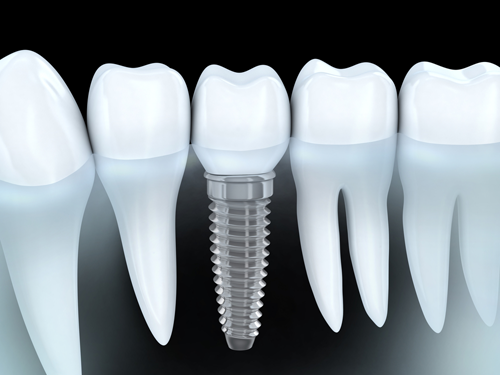
After the surgery, you will need to go easy on your mouth. Just like after any oral surgery, we recommend eating only soft foods for at least two weeks. You may be given antibiotics and instructions to rinse with salt water. Keeping your mouth clean is important to prevent infection. Avoid smoking.
About Bone Grafting
It may be the case that your bone is not strong enough to support the implant. In this case, bone grafting may be necessary. During this routine procedure, we take bone from a stronger part of your jaw or another part of your body, implant it into the jaw and are thus able to encourage your body to begin growing strong, new bone in its place. If you only need a small amount of bone, it may be possible to do the procedure during the same appointment as your implant surgery. However, it may be the case that you need to wait for bone growth to occur prior to us placing the implant. Every case is different.
Let us properly inform you on what you personally can expect! Schedule an appointment today!
Win a Sonicare Toothbrush!
Like our facebook page to be entered into a raffle for a free Sonicare toothbrush!
 It’s easy to do, simply follow these steps:
1. Login to Facebook under your personal profile, go to our page and click the like button.
2. Send us a message through facebook to let us know that you liked the page (or call or stop by the office).
Please Note: You must message or tell us that you have liked the page to be entered into the raffle.
How to Check Yourself for Oral Cancer
Oral cancer is serious business. The good news is that you can do something about it. Regular self-examinations may help you pick up on warning signs in time to act on them. Oral health professionals are experts on mouths, but the only expert on you is YOU. If you notice something strange going on in your mouth, contacting a professional at our office is your best mode of action.
The first and most important thing to remember is oral cancer is often painless! The second rule to remember is that if you aren’t sure, ask! It’s better to ask now and be sure than to wish you had asked. There are no dumb questions when it comes to looking for oral cancer. And, most importantly: any suspicious area that doesn’t resolve on its own in 14 days should be checked out ASAP.
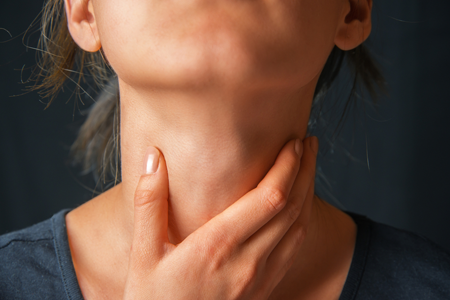
The key to eliminating oral cancer is to act on it early. Here are some things to check regularly.
Your Tongue
Look for lumps and bumps on the upper and lower surfaces of your tongue. Feel around for odd textures, bumps, discoloration or swelling. Place the tip of your tongue on the roof of your mouth to peek underneath. Don’t limit your search to the red flags above. Use your fingers and your vision.
Your Cheeks
Gently feel your cheeks for bumps and swelling. You can do this by placing your finger on the interior and your thumb outside your cheek. Lightly squeeze and feel around for anomalies.
Your Lips
Take a good look at the interior of your lips with a hand mirror. Keep an eye out for the same signs. Lips are harder to be sure about because they are constantly drying, wetting, and being scraped as we eat and speak. Nonetheless, lips are prone to cancer given that they re always exposed to sunlight. Better safe than sorry.
Your Head/Neck Area
Closely examine your head and neck for lumps and protrusions. A bump or lack of uniformity is absolutely worth checking out. Ask us at your next visit to check out your throat too. Keep an eye out for sensitivity and soreness.
With oral cancer, the key is to keep your eye out for anything out of the ordinary. Anything that seems strange is worth noting and calling our office about.
Call us today for a check up!
Dental Implants: FAQ
Dental implants are becoming more and more popular these days, and we can see why. The ability to replace a missing tooth with a brand new one is an attractive concept.
 We know that people often have questions about implants, so we have put together this page to answer those common questions:
What is a dental implant?
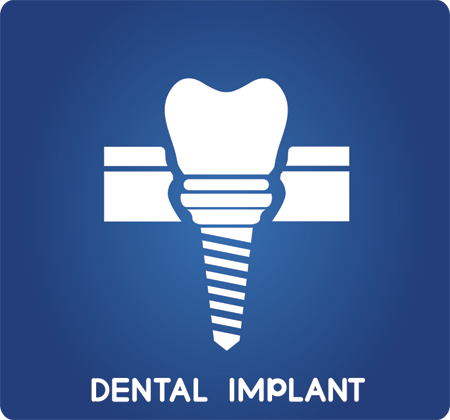
Implants are artificial teeth that function exactly like your natural teeth. We take a titanium screw, attach it to your jaw, allow the jaw to grow around the screw, and then fit the new tooth in right where the old one used to be. It will feel exactly like your old tooth used to when you had it.
How quick is the procedure?
It depends on just how strong and healthy your jaw is. Your jaw may very well be ready to receive the new tooth quickly, but it may also take time to grow around the screw. If your jaw is weak, we can also transplant bone from other parts of your body first, via another procedure called “bone grafting”, to grow a fresh, strong base where the screw can be inserted. If that is the case, the whole process takes more time, but again, it depends on your case.
Does it hurt?
No. Medications and anesthesia are available to reduce or eliminate pain. You shouldn’t feel a thing.
Since it’s an artificial tooth, do I need to care for it as if it were alive?
You should clean and maintain your implant exactly like you do with your living teeth. Though the implant isn’t going to die, it can still allow bacteria to build up, like your other teeth do. Clean all of your teeth with care, and they should all stay healthy.
How long do they last?
If your implant is taken good care of, it should last a long, long time. Perhaps 40 years and sometimes even a lifetime!
What should I eat after the procedure?
Eat soft food. We will help you decide on a diet that works for you depending on the specifics of your case and treatment.
Have more questions? Call us! We would be glad to set up an evaluation.
Dental Implants: What’s All The Hype?
These days, we all know someone who has a dental implant, and you have probably heard us champion these teeth substitutes, as they become more and more the common cure for missing teeth!
 But why?
We think that’s a valid question and it deserves a good answer!
Bone Loss
Any oral health professional will tell you that living with a missing tooth can have negative consequences that go well below the gum line. The problem doesn’t stop at the single tooth that goes missing. The jawbone also suffers. When there is not a tooth set in the jawbone offering regular stimulation, you lose bone mass in that area. That loss of jawbone contributes to a decline in facial aesthetics as the jaw shrinks away. The loss of jawbone also means that when you do have an implant later in life, you will likely require extensive bone grafting prior to the implant procedure. Traditional tooth “replacement” methods such as dentures and bridges do not solve the problem of bone loss.
In contrast, dental implants eliminate these problems and encourage a healthy, strong and adequate jaw by integrating with it (also known as: osseointegration). The implant then provides regular stimulation (as you chew food), and keeps the jawbone in proper health.
Lifestyle and Diet
Most people with dentures report that in addition to living in fear of their dentures falling out in social settings, they also must live with a restricted diet, unable to enjoy the foods that they previously ate. This same restricted diet goes for those with wobbly bridges and crowns as well. More often than not, those restricted foods are some of the healthiest ones, such as crunchy, fibrous fruits and vegetables.
Dental implants look and feel nearly identical to your regular teeth, and are second only to your natural teeth when it comes to form and function. Dental implants allow you to eat and live freely with a healthy diet and without fear. In addition to that, dental implants have a 98% success rate and can often last you for a lifetime!
Preventing Oral Cancer
While we cannot all necessarily prevent cancer from happening, with most cancers, including oral, head and neck cancers, there are things that you can do (or not do!) to reduce your risk.
 Quit Smoking: After five years of quitting smoking, your risk of oral cancer is cut down to just half of that of a smoker.
- Limit Alcohol: Excessive alcohol use is the second largest risk factor for oral cancer. Limit drinks to one per day for women and two per day for men.
- HPV Vaccine: HPV is the leading cause of oropharyngeal cancer (the back of the mouth and throat). HPV is also responsible for a small number of oral cavity cancers (the mouth).
- Self-Exams: Be an advocate for your own health by regularly examining your mouth with a mirror and flashlight. Don’t forget to look under the tongue! Watch for unusual bumps, patches, different coloring, and report any to us that don’t heal within 14 days. Feel your lips, cheeks, throat and neck for unusual bumps and masses. There are a number of online guides for performing a thorough at home oral cancer self-exam.
- Have Regular Checkups: Oral health professionals such as dentists and oral surgeons are the second line of defense (after you) in terms of screening for oral cancers. Be sure to ask us any questions that come up during your exam.
- Eat Well: A healthy diet includes plentiful vegetables and fruits, is low in sugar and saturated fats, and includes lean sources of protein and whole grains. Incorporate new foods into your diet slowly for long lasting results.
- Exercise: Aim for 30 minutes of moderate exercise a day or more!
- Get Adequate Sleep and Minimize Stress: A lack of sleep and stress both contribute to inflammation which has long been recognized as a player in the cancer game.

Considering an Upgrade to Dental Implants?
Have you been thinking of upgrading your current tooth replacement strategy but aren’t sure where to start? This is a great time of growth in modern dentistry, especially when it comes to replacing missing teeth! With the evolution of dental implants, patients don’t have to suffer some of the pains of the past when older, traditional tooth replacement methods were used.
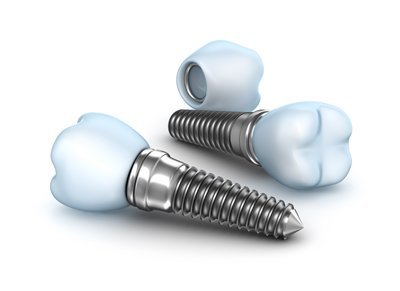 Traditionally, missing teeth were always “fixed” with bridges or dentures. And while both of those procedures are still in use by dentists and do still serve an important purpose, they often cause unintended problems in the mouth that modern dental implants may be able to alleviate, or avoid completely.
What is a dental implant, you may be asking? At the most basic level, a dental implant is simply a prosthetic tooth that is mounted to a metal post which is screwed into the jaw bone. The procedure is typically done in two visits. During the first procedure, a titanium screw is inserted into the jawbone, where it is allowed to “settle in” and bond, a process that takes about six to eight months. After that, the dentist creates a prosthetic tooth and attaches it to the titanium post for a fully functional (yet fake) tooth!
The benefit of dental implants is that, unlike dentures, they are almost unnoticeable by the patient. Anyone who has had dentures knows that they tend to slip and wear down and sometimes even cause mild pain or discomfort. With dental implants, you will not even know they are there. They function just like a natural tooth in your mouth, no slipping, movement or separate cleaning required. Similarly, patients who are used to receiving bridges may benefit by an upgrade to an implant as bridges have a tendency to invite bacteria and infection, requiring additional replacements.
Whatever your concerns about dental implants are, we are here to help. Give us a call today to see if dental implants might be right for you!
Wisdom Teeth FAQs
Our patients often wonder why we recommend wisdom tooth extractions, or what the purpose of wisdom teeth even is. We are eager to help you better understand the benefits of removal and the extraction process! Read on for the answers to some frequently asked questions about those tricky third molars.
 Why do we have wisdom teeth?
Human ancestors used their wisdom teeth to grind up food that was hard to digest. They had large jaws and powerful teeth with plenty of room for a third set of molars.
Modern humans, however, eat cooked foods and have a more effective digestive system, so we have evolved smaller jaws and teeth. This means less room in our mouths for wisdom teeth.
Why do I need to have my wisdom teeth removed?
There are several reasons why you may benefit from having your wisdom teeth extracted, as wisdom teeth can cause a variety of short-term and long-term complications.
- Impaction: If there is not enough room for your wisdom teeth to erupt, they can become impacted, causing them to grow in at an angle. You may experience pain or discomfort while eating due to impaction.
- Damage to other teeth: Impacted wisdom teeth can push against your second molars, potentially damaging them and making them more susceptible to tooth decay.
- Disease: Narrowed spaces between molars due to impaction also allows for bacteria to form more easily, putting you at risk of inflammation, cysts, and periodontal (gum) disease.
When should I get my wisdom teeth out?
Wisdom teeth usually erupt between the ages of 17 and 25, which means that many people get their wisdom teeth extracted before they graduate high school. The longer you wait, the more complications may arise. The roots of your wisdom teeth continue growing as you get older and may eventually come in contact with a nerve. At this point, nerve damage is a possible outcome of wisdom tooth extraction.
When are wisdom teeth okay to keep?
Sometimes, wisdom teeth have room to erupt healthily and do not need to be extracted. If this is the case, your dentist may recommend you keep your third molars.
Make sure you are coming in for regular check ups so our team can keep an eye on your wisdom teeth. Consult with our practice about the right course of action for your wisdom teeth, because everyone’s teeth are different.